
Low-Altitude Economy: Jiaxun Feihong Marks First Deployment of Its Domestic ATC System at Jinhu Jinbei Airport
Low-Altitude Economy: Jiaxun Feihong Marks First Deployment of Its Domestic ATC System at Jinhu Jinbei Airport
Recently, Beijing Jiaxun Zhihang Technology Co., Ltd. (hereinafter referred to as "Jiaxun Zhihang"), a subsidiary of Beijing Jiaxun Feihong Electric Co., Ltd. (hereinafter "Jiaxun Feihong", stock code: 300213), has successfully secured a project with Jinhu Jinbei General Airport for the deployment of a domestically developed Air Traffic Control (ATC) Voice Communication Switching System (hereinafter referred to as the "Internal Communication System"). This project represents the first official deployment of Jiaxun Zhihang's self-developed system and signifies a key milestone in the company's strategic push into the low-altitude economy. It underscores the company's commitment to supporting national strategies in this emerging sector by applying its core technologies to low-altitude service support and contributing to the development of general aviation infrastructure.
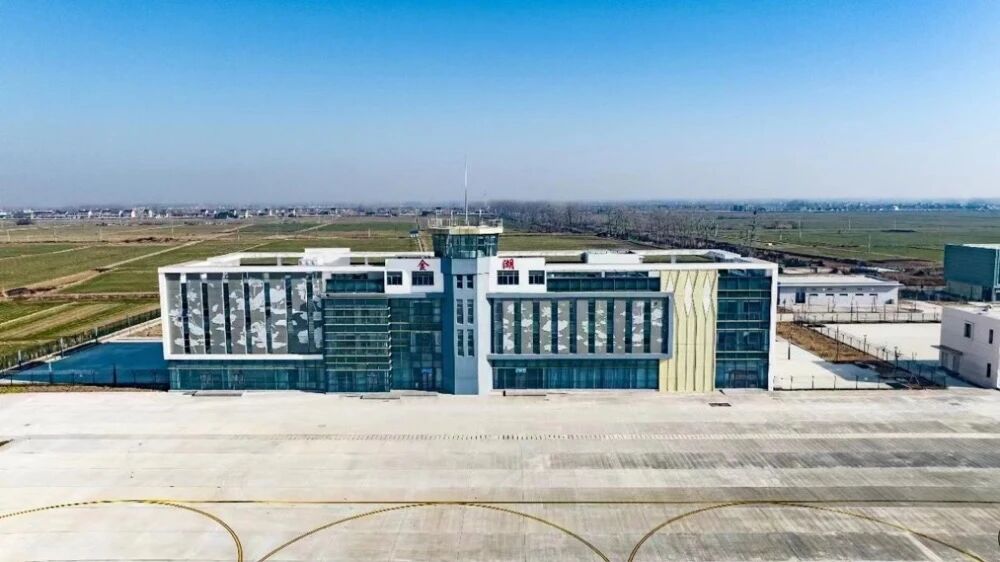
Jinhu Jinbei General Airport (Image source: Internet)
Prior to this, the VCS8800 Internal Communication System, independently developed by Jiaxun Zhihang, successfully passed the rigorous review of the Civil Aviation Administration of China (CAAC) and was granted the Provisional Usage License for Civil Aviation Air Traffic Communication, Navigation, and Surveillance Equipment. Following the industry access certification of its self-developed recorder, the NDR8800, this marks another core product from the company entering the civil aviation equipment sequence.
The consecutive certification of these two products not only demonstrates robust technological innovation capabilities but, more critically, establishes a core technological foundation for the company's self-developed and controllable products to adapt to the diverse scenarios of the low-altitude economy. Compared to traditional transport airports, general aviation airports serve low-altitude scenarios that are more complex and have more diverse demands. The fully self-developed and controllable components of the VCS8800, coupled with its system availability of over 99.999%, meet the high communication standards of civil aviation while also addressing the urgent needs of low-altitude flight services for agile command and efficient connectivity.
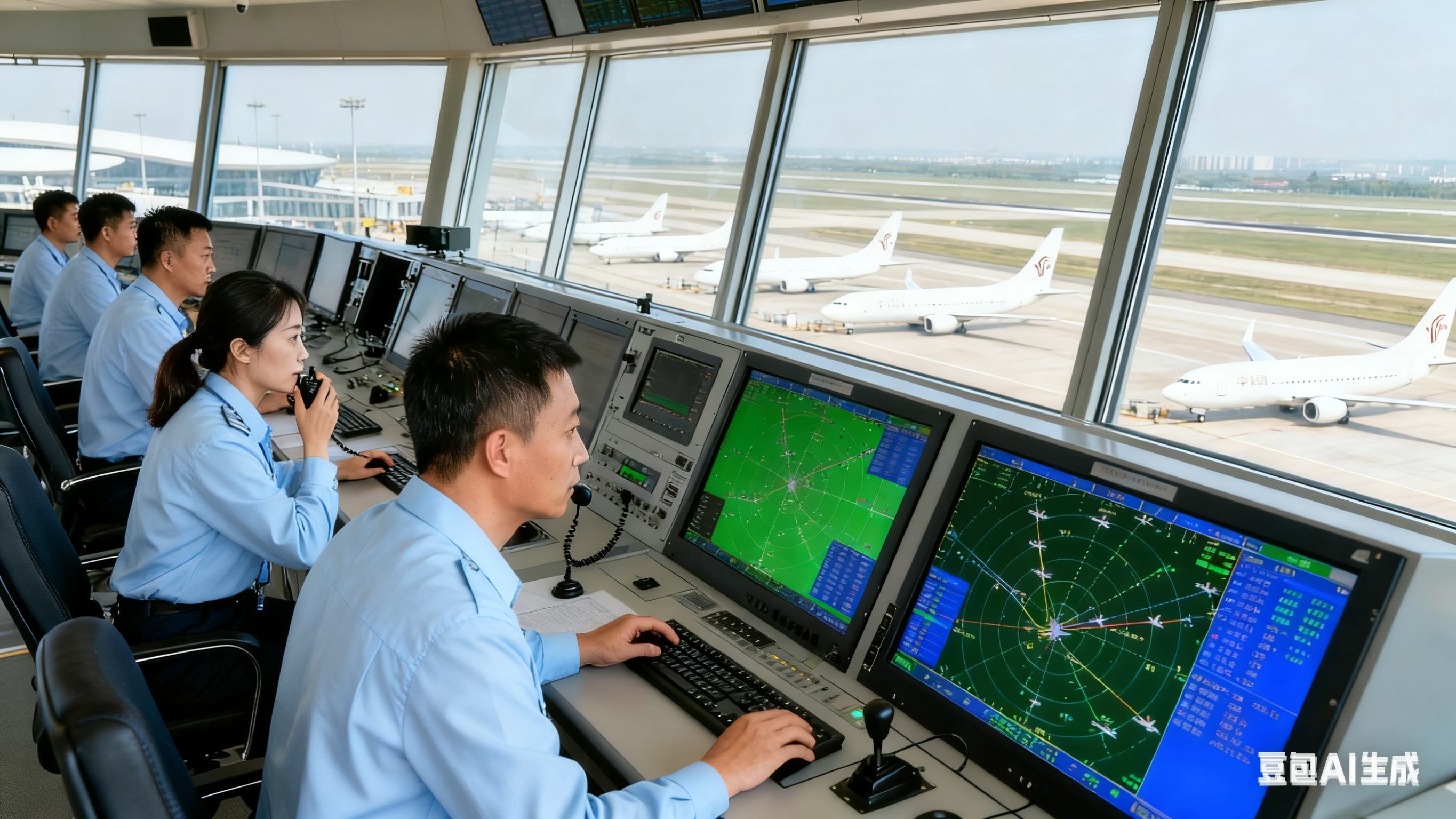
Serving as the core platform for this collaboration, the Jinhu Jinbei General Airport itself represents a concrete implementation of the national low-altitude economic development strategy. Located in Jinhu County, Huai'an City, Jiangsu Province, the airport is classified as an A1-level general aviation facility. It is included in both Jiangsu Province's "13th Five-Year Plan" and its medium-to-long-term general airport layout plan, with full completion expected by the end of 2025.
Unlike traditional transport airports, its core value lies in activating the "low-altitude capillaries." In addition to basic services such as aircraft testing, trial flights, and pilot training, it will focus on core low-altitude economy scenarios like emergency response, aviation education, and business/private flights. Future expansion may include low-altitude logistics and Urban Air Mobility (UAM) support services, positioning it as a key hub in the East China low-altitude economic network. The deployment of Jiaxun Zhihang's Internal Communication System will significantly enhance the reliability, safety, and response efficiency of the airport's air traffic control communications, providing critical technical support for low-altitude aircraft operations.
The strategic rationale behind this collaboration lies in Jiaxun Zhihang's precise alignment with national policies supporting the low-altitude economy. In recent years, China has designated the "low-altitude economy" as a strategic emerging industry and introduced multiple policies to foster its growth. The concept was first incorporated into national-level planning through the "Outline of the National Comprehensive Multidimensional Transportation Network Plan" issued by the Central Committee of the Communist Party of China and the State Council. Furthermore, the "Implementation Plan for the Innovative Application of General Aviation Equipment (2024-2030)" issued by four ministries, including the Ministry of Industry and Information Technology, proposes to "accelerate the iterative upgrade of general aviation technology and equipment, build modern advanced manufacturing clusters for general aviation, create a new development model for the general aviation industry with Chinese characteristics, and provide strong support for fostering new growth drivers in the low-altitude economy."
Local governments have also successively released policies such as the "Guiding Opinions on Promoting the Healthy Development of the Low-Altitude Economy" and the "14th Five-Year Plan for General Aviation Development," explicitly identifying the low-altitude economy as a new growth point for driving high-quality regional economic development. Within this context, "general airport construction + domestically produced air traffic control equipment" form the two core pillars supporting the development of the low-altitude economy.
The long-standing reliance on imported core ATC equipment in China has become an increasing constraint under the demands of scaling the low-altitude economy. The rapid growth in the number of general airports and the diversification of low-altitude scenarios place higher demands on the cost-effectiveness and customization capabilities of ATC systems. This situation presents a historic opportunity for domestic equipment manufacturers.
Seizing this opportunity, Jiaxun Zhihang focuses on a dual-self-reliance development path of "independent R&D and production + independent intellectual property." It aims not only to supply equipment for traditional civil aviation but also to establish itself as a core provider of ATC solutions for the low-altitude economy, delivering scenario-based solutions to industry users such as ATC departments and general airports.
The application of domestic internal communication systems will help break the monopoly of foreign vendors on key protocols and technologies, mitigating communication security risks in low-altitude scenarios. Furthermore, it enables customized development to address China's unique characteristics, such as complex low-altitude applications and flexible airspace usage. This customization meets diverse needs including rapid emergency response, dynamic scheduling for low-altitude logistics, and multi-session flight training. Additionally, deploying domestic systems can reduce operational and maintenance costs for general airports and low-altitude service operators, enhance the efficiency of low-altitude traffic command, and clear equipment-related obstacles to the scaled development of the low-altitude economy.
Driven by both policy support and market demand, domestically produced low-altitude ATC equipment is currently facing an unprecedented "golden window of development." Looking ahead, leveraging the Jinhu Jinbei Airport project as a starting point and its first-mover advantage with dual core products, Jiaxun Zhihang will strengthen close collaboration with airports, general aviation companies, ATC units, and government authorities at all levels. This strategy aims to further deepen its strategic presence in the low-altitude economy sector and jointly build a safe, efficient, and open low-altitude communication support system, thereby injecting new momentum into the high-quality development of China's low-altitude economy.
-
First Fully Domestic Airline Dispatch Communication System Officially Launched
2026-01-01 -
JIAXUN FEIHONG's self-developed intercom system is operational at Hengyang Nanyue Airport
2025-10-17 -
Low-Altitude Economy: Jiaxun Feihong Marks First Deployment of Its Domestic ATC System at Jinhu Jinbei Airport
2025-10-17
